
This is the story we probably should have told from day one. The real story — not the polished version, not the one where everything went according to plan. The one that started with a hard drive failure at the worst possible moment and ended with something we're genuinely proud of. Pull up a chair.
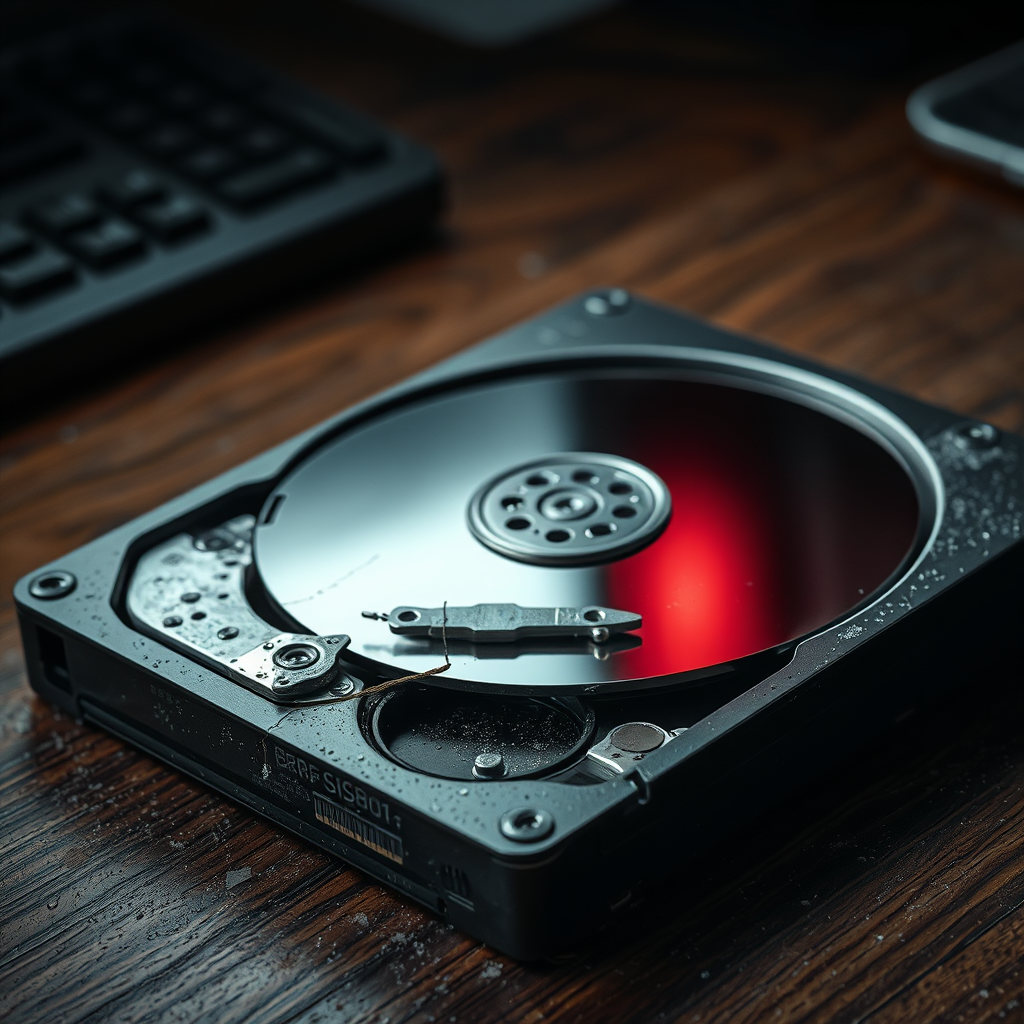
This is the hard drive. We still have it. This is where the story starts.
The Day Everything Stopped
There was no dramatic warning. No flashing lights, no gradual slowdown that gave us time to prepare. One day the self-hosted server that powered everything we had built — years of content, custom themes, client work, databases, email configurations, all of it — simply stopped working. A hard drive failure. The kind that doesn't ask permission and doesn't negotiate.
If you've ever experienced data loss on that scale, you know the feeling. That specific silence when you realize the blinking cursor isn't coming back. The frantic restarts. The realization, slow and heavy, that some of this is gone. Not corrupted, not recoverable with a tool you can download — just gone.
Self-hosting looks great on paper. Until it doesn't.
We ran our own physical server. That was a deliberate choice — control, cost savings, the satisfaction of owning your own infrastructure. And for a long time it worked beautifully. But physical hardware fails. That's not a maybe. That's a when. And our when arrived without ceremony.
The moment every self-hoster dreads. Staring at a black screen that used to be a website.
What we lost: Years of custom-built WordPress themes. Multiple live websites. Databases full of content. Client configurations. Plugin setups that had taken months to tune. Permalink structures, redirects, SEO work. All the little things that you don't realize make up the invisible architecture of a working web presence — until they're not there anymore.
Here's the thing about losing everything though. Once the shock passes — and it does pass — you're left with something surprisingly rare: a completely clean slate. No technical debt. No legacy decisions you made three years ago that you've been quietly living with ever since. No "I'll fix that eventually." Just a blank server and a choice about what to build next and how to build it right.
The Decision to Start Over — And Do It Better
We could have tried to piece things back together. Scraped what we could from Google's cache, rebuilt from partial backups, patched things into a rough approximation of what existed before. A lot of people would have done exactly that. We almost did.
Instead we made a different call. We decided to treat the failure as an involuntary reset button and use it. Not rebuild what we had — rebuild what we wished we'd had from the start. Cleaner. Faster. Built on standards that would hold up as technology moved forward. Built to last.
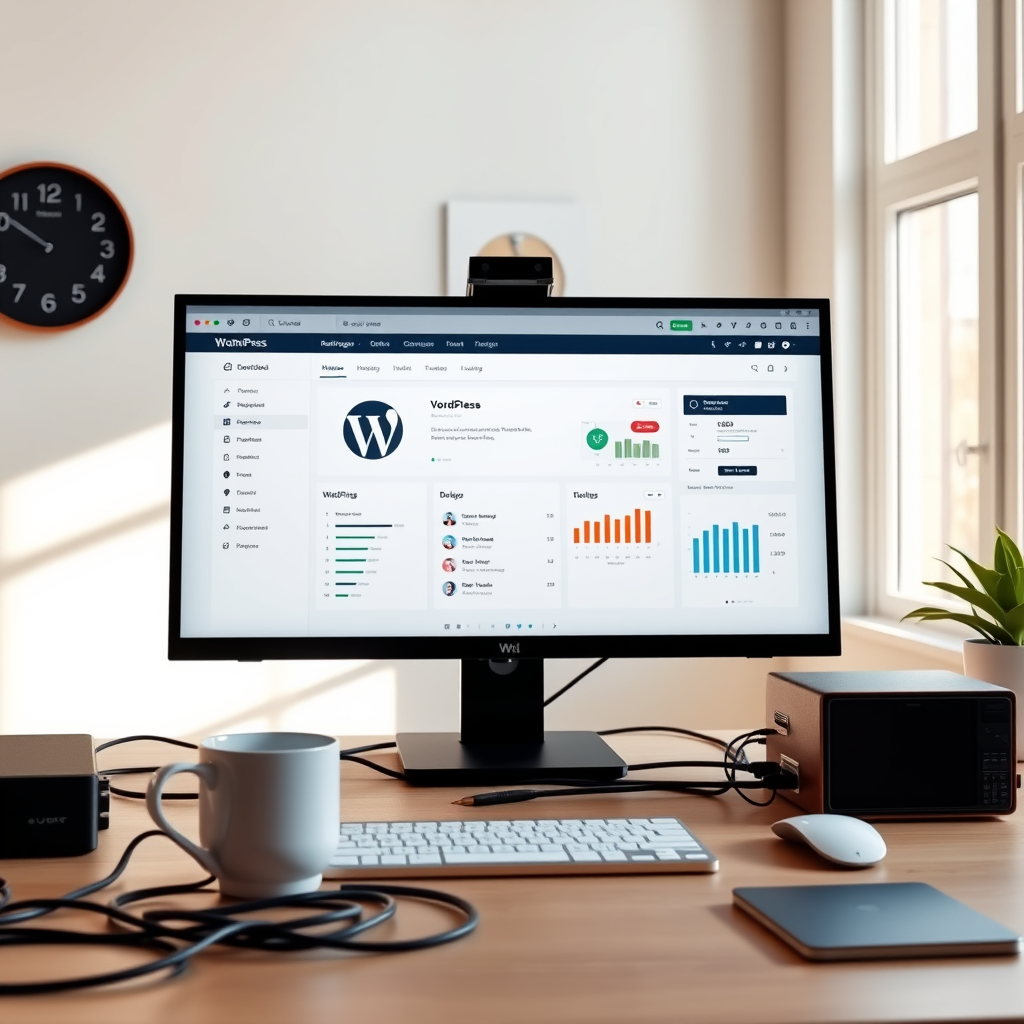
A fresh WordPress install. Clean database. Correct foundation. The right way this time.
The first decision was moving off self-hosted physical hardware. We'd learned that lesson the hard way. Managed hosting, proper backups, redundancy — these aren't luxuries for serious web properties. They're the baseline. We moved everything to professional hosting infrastructure and haven't looked back.
The second decision was about the foundation itself. Our previous sites ran on fully custom WordPress themes — built from scratch, deeply customized, exactly the way we wanted them visually. They were beautiful. They were also fragile. Tightly coupled to specific PHP versions, difficult to update, incompatible with the direction WordPress tooling was heading. When the server died, those themes became unsalvageable artifacts.
Choosing Astra as the Foundation
We chose Astra as our new base theme. If you know WordPress development you might raise an eyebrow — Astra is widely used, it's not a niche boutique choice. But that's exactly why we chose it. Actively maintained, PHP 8 compatible, performance-focused, and designed to work with every major page builder. It's the reliable chassis that lets you build on top without fighting the foundation.

Astra as the baseline — clean, fast, PHP 8 ready, and built to support what we'd stack on top of it.
The custom work didn't disappear — it evolved. Everything we had built into our custom themes got restructured into Advanced Themer, our own plugin that handles CSS customization, layout control, and custom page components independently of the theme underneath. More on that shortly.
The PHP Migration Nobody Talks About
While we were rebuilding, we hit another wall that doesn't get enough honest coverage in web development circles: the PHP 7.4 to PHP 8 migration.
PHP 8 is not a minor version bump. It's a breaking change for a significant amount of WordPress ecosystem code. Functions that were deprecated got removed. Syntax that PHP 7.4 would quietly handle became fatal errors on PHP 8. And for developers running custom themes — especially ones built years ago with older conventions — this is a wall you hit hard.
PHP 8 isn't just an upgrade. For custom codebases, it's a reckoning.
We made a deliberate architectural decision here: rather than spend time patching old custom theme code to limp along on PHP 8, we retired those themes entirely and rebuilt on a compatible foundation. Yes, it meant more work upfront. It meant less work for every year after. That math is simple.
The right call: When your codebase requires expensive maintenance just to keep up with server requirements, it's time to retire it — not patch it. We retired our custom themes, adopted Astra, and invested the saved maintenance time into building something more portable and more powerful instead.
Every site in our network now runs clean PHP 8.3. No deprecated function warnings. No compatibility shims. No anxiety every time a host announces they're dropping PHP 7.4 support.
Building a Proper Plugin Stack
One of the silent failures of our previous setup was the absence of a consistent, well-considered plugin architecture. We had things installed, but it was organic — added as needed, never audited, never rationalized as a system.
The rebuild gave us the chance to be intentional about it. Every site in the SolarBlu network now runs a considered stack built around the same core principles: security first, performance second, functionality third.
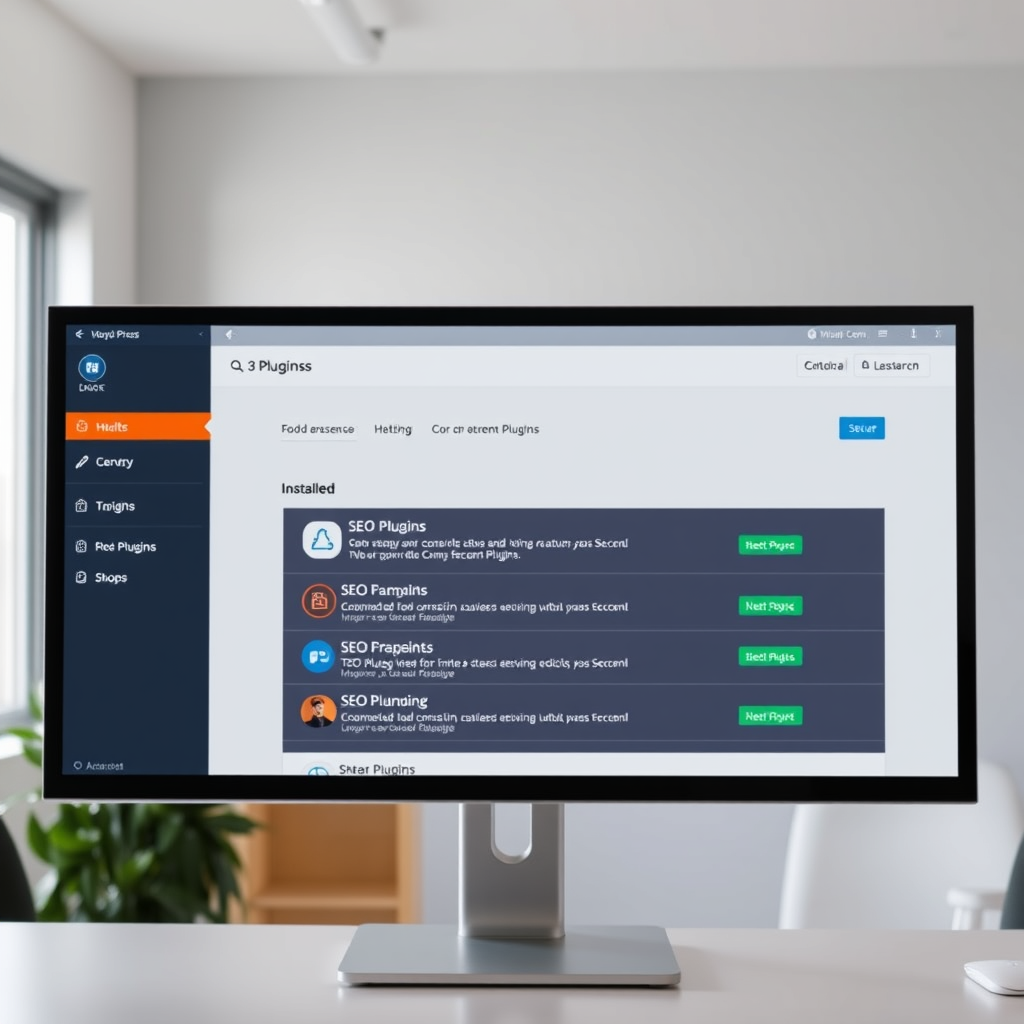
A clean, intentional plugin stack. Every plugin earns its place.
Wordfence on every property. Security isn't optional when you're running multiple live sites.
Wordfence sits at the security layer across all our properties. Proper permalink structures are configured correctly from day one — not retrofitted after content is already published, which causes redirect nightmares and SEO damage. Robots.txt files are deliberate, not default. Sitemaps are generated, submitted, and monitored. Every site is HTTPS. Every site is responsive.
It sounds basic because it is. But basic done correctly is exactly what Google needs to see — and exactly what a lot of rebuilt sites get wrong when they're rushing to get back online.
Not One Website. Four. To Start.
Here's something we want to be honest about, because we think it changes the context of everything else in this post.
We didn't rebuild one website. We rebuilt four of them — simultaneously — while also developing new tooling and learning from every decision we made along the way. Each site had its own database, its own content strategy, its own plugin configuration, its own design requirements.
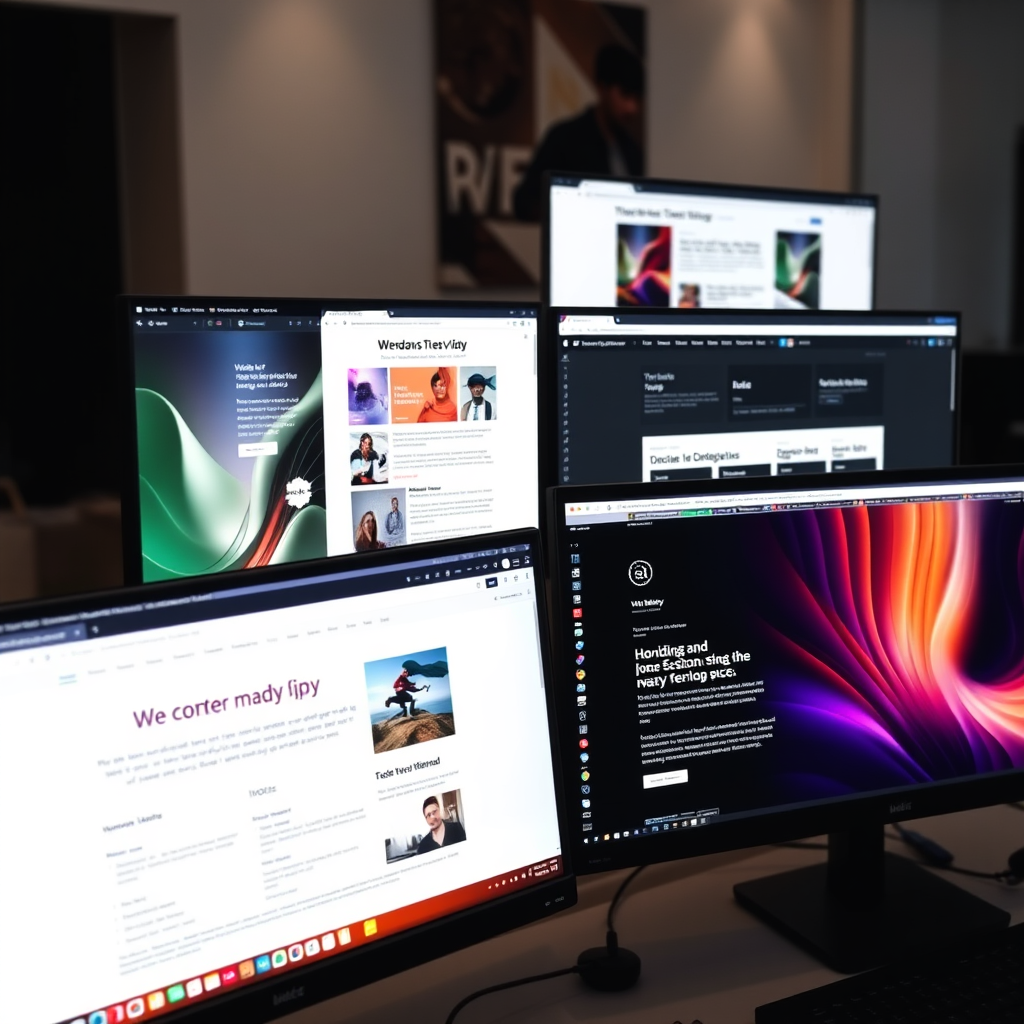
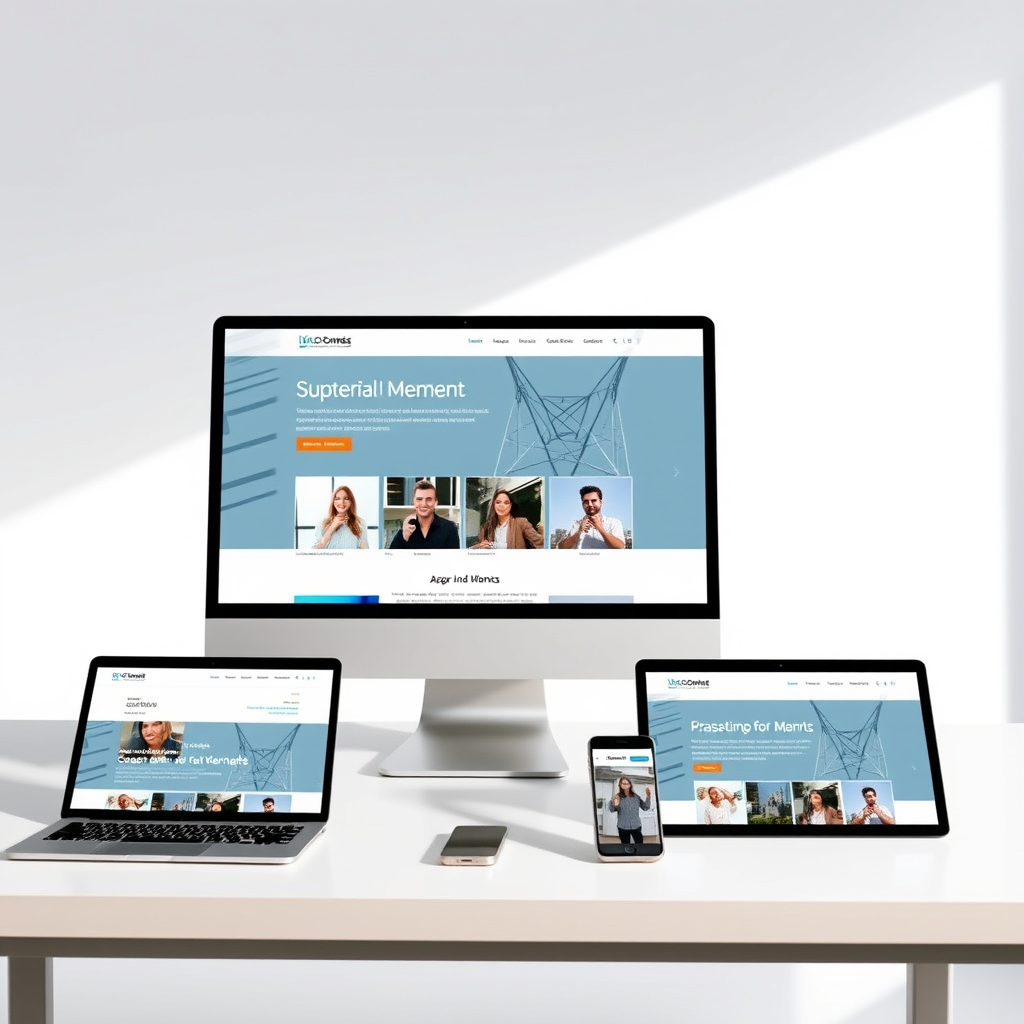
Four properties rebuilt. Every one of them responsive, tested, and production-ready.
solarblu.net — our main creative and portfolio hub. Home base for SolarBlu, our content, our story, and the work we do.
solarbluseth.com — our personal brand site, connected to our YouTube and TikTok presence, supporting content creation and community building.
mariehosting.com — our hosting services platform, offering managed WordPress hosting, shoutcast streaming hosting, and audio streaming infrastructure for online radio stations and content creators.
betterwebservices.com — our web and internet services platform, focused on fiber optic internet services, web design, and technology solutions for residential and small business clients.
"To start" — because the work doesn't stop at four.
Advanced Themer: From Theme to Plugin
This is the part of the rebuild story we're most proud of, and the part that probably took the most thinking to get right.
Our original custom themes were powerful — but they were monolithic. The design system, the CSS customizations, the custom page layouts, the component library — all of it was baked into the theme itself. Which meant it was tied to the theme. Which meant when the theme had to go, everything went with it.
Advanced Themer evolving from a theme dependency into a standalone plugin. Portable. Reusable. Ours.
Advanced Themer started as a theme. It's becoming a plugin. That architectural shift is significant — instead of being locked to a specific theme, it now sits independently in the WordPress ecosystem and can be applied to any project regardless of what theme is underneath. It handles CSS customization, component injection, layout controls, and custom page structures in a way that's portable across projects.
CSS that lives in the plugin layer, not the theme layer. Portable. Updatable. Clean.
The current development milestone is the migration from a Visual Composer-native implementation to a dual-support system that works with both Visual Composer and Elementor via JSON import templates and a section-based strategy. This means the same Advanced Themer component library can be deployed into either page builder ecosystem — significantly expanding the range of projects it can serve.
Page Builders: Visual Composer, Elementor, and the JSON Strategy
When we started the rebuild, Visual Composer was our page builder of choice. We knew it well, we had a workflow around it, and it made sense for the sites we were building at the time.
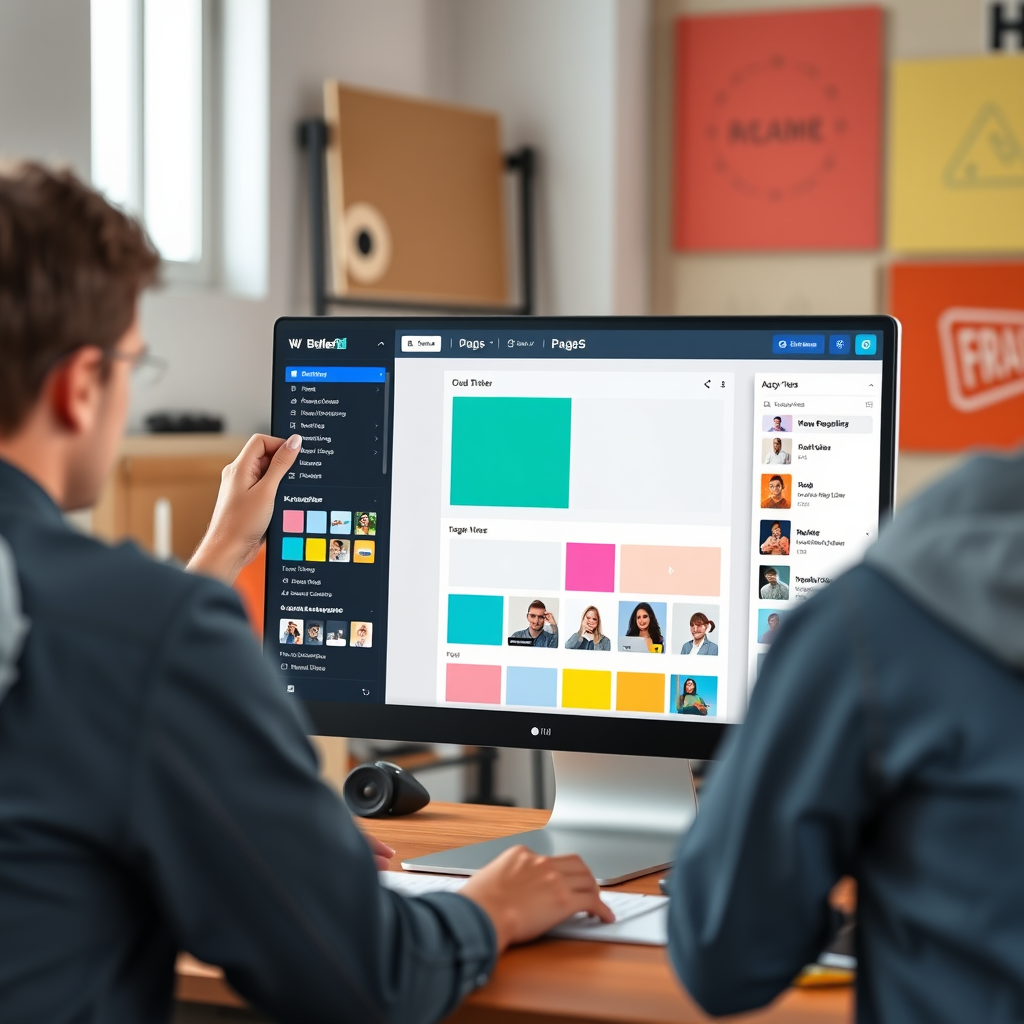
Visual Composer gave us the foundation. Now we're building a strategy that works across builders.
But the landscape of WordPress page builders has shifted. Elementor has become the dominant force in the market, and many clients come to us already working in Elementor environments. Building Advanced Themer as a plugin that's builder-agnostic was a direct response to this reality.
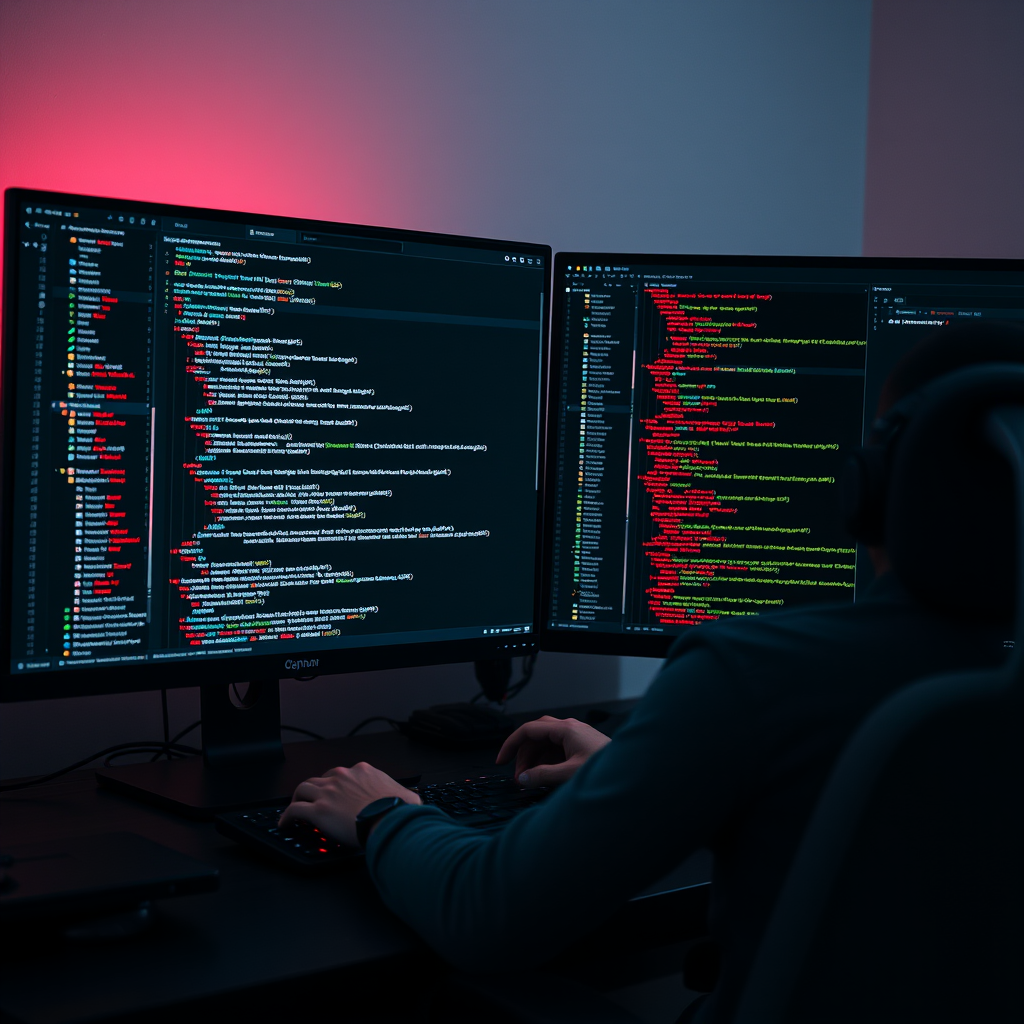
The JSON import strategy lets us deploy consistent layouts across different page builder environments.
The JSON import and section template strategy means we can build a layout or component once and deploy it consistently across Visual Composer and Elementor projects. This is a genuine production workflow improvement — not a theoretical architecture exercise. It directly reduces the time it takes to spin up new client sites and ensures visual consistency across projects.
What We Build and Who We Build It For
MarieHosting.com — Hosting for Creators and Businesses
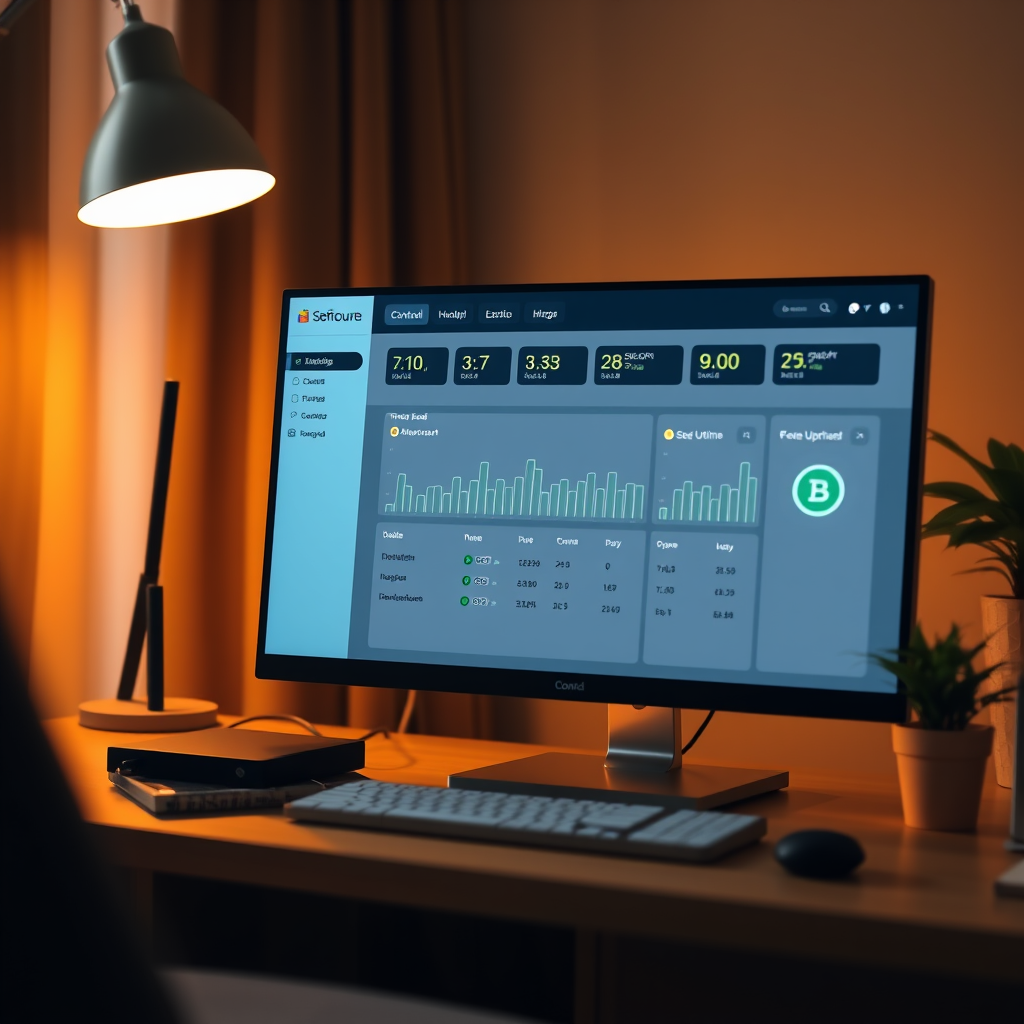
MarieHosting — managed hosting built for people who need it to just work.
MarieHosting.com came out of a simple observation: most hosting providers are built for developers. The dashboards are technical, the support assumes knowledge, and the onboarding drops you into a wall of options with no clear path. We built MarieHosting for the other person — the business owner, the creative, the podcaster, the online radio station operator who needs hosting to work without needing to become a sysadmin.
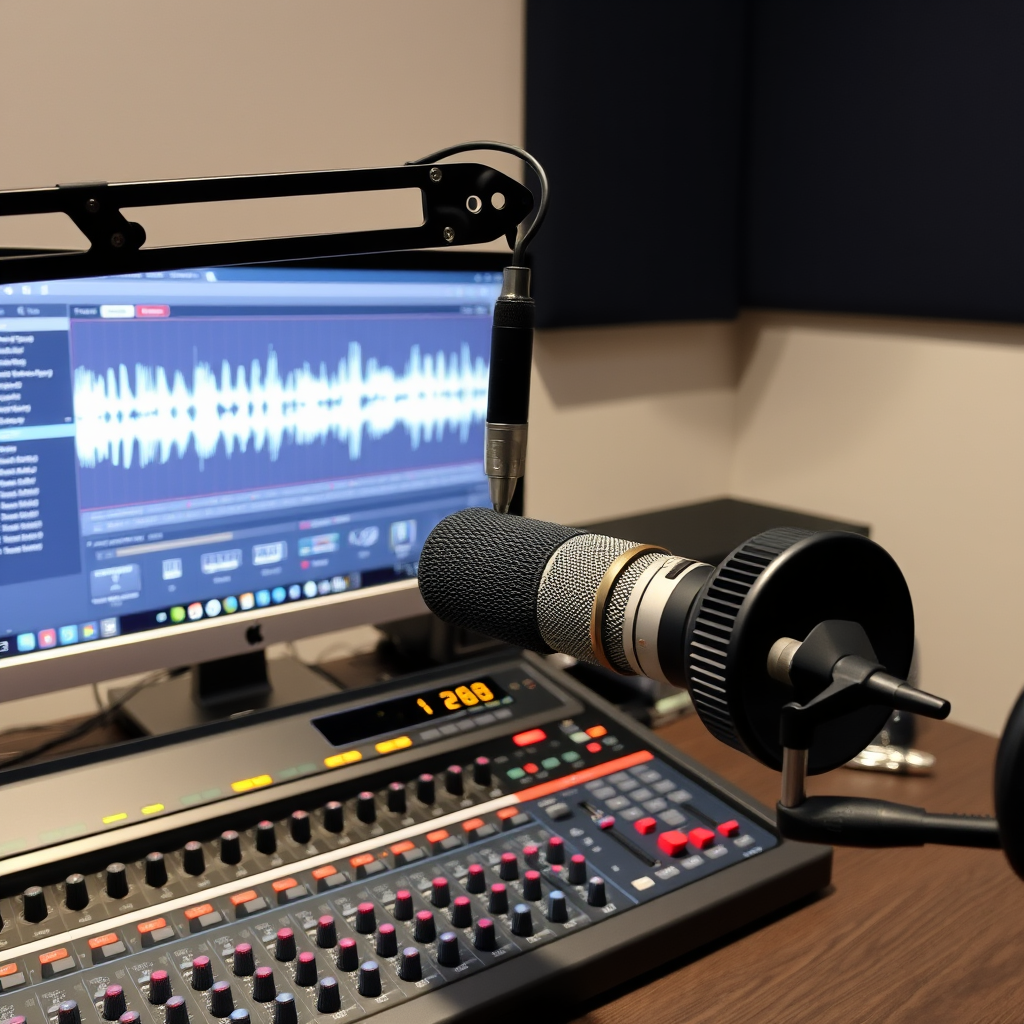
Shoutcast and audio streaming hosting — a niche we understand deeply because we've run streaming infrastructure ourselves.
Our shoutcast and streaming hosting services are a particular area of expertise. We've run streaming infrastructure. We know what online radio station operators need, what breaks, what the common questions are, and what "it just needs to work" actually means in that context. That experience is baked into how we support streaming hosting clients.
BetterWebServices.com — Fiber, Connectivity, and Web Services

Enterprise-grade infrastructure supporting residential and small business clients.
BetterWebServices sits at the intersection of web services and physical connectivity. Our fiber optic internet services address a genuine gap — residential and small business clients who need better internet options than what the major carriers are prioritizing in their area.

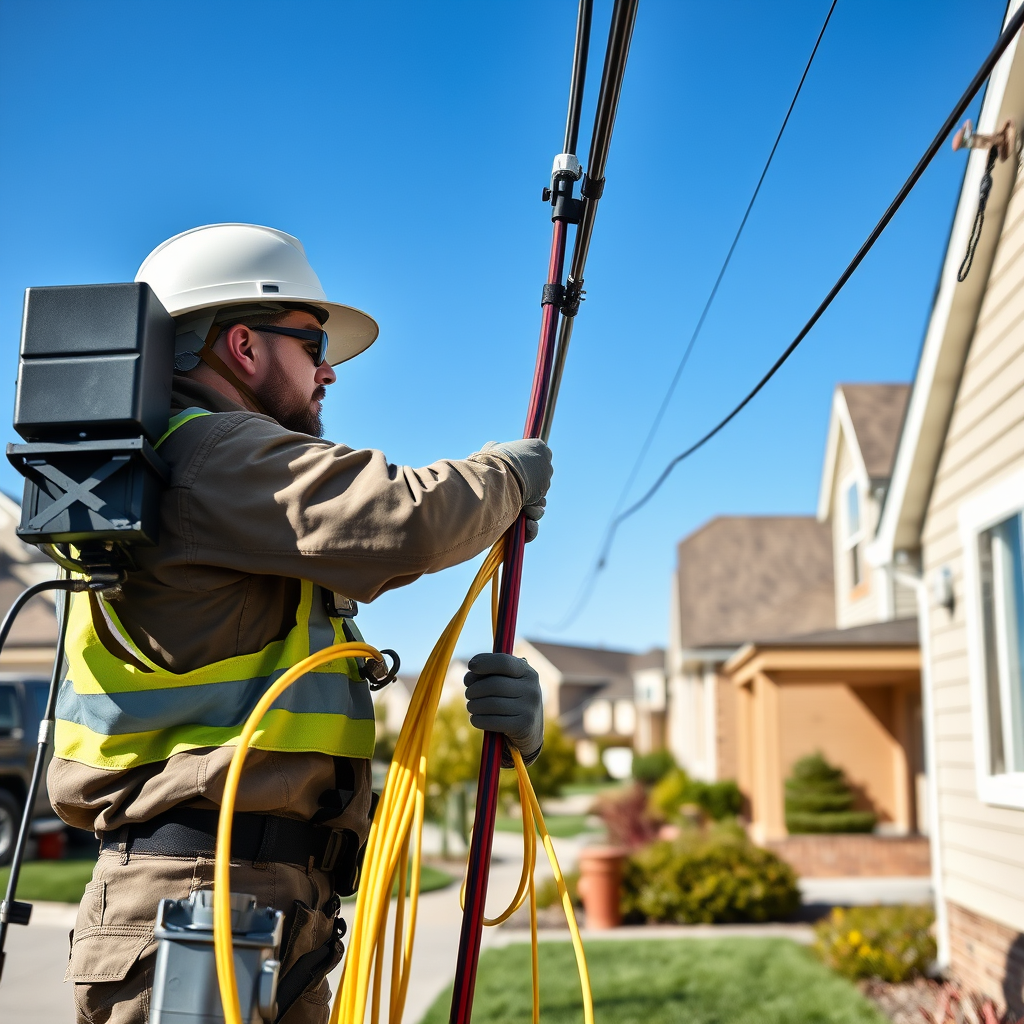
Fiber optic connectivity — fast, reliable, and increasingly essential.
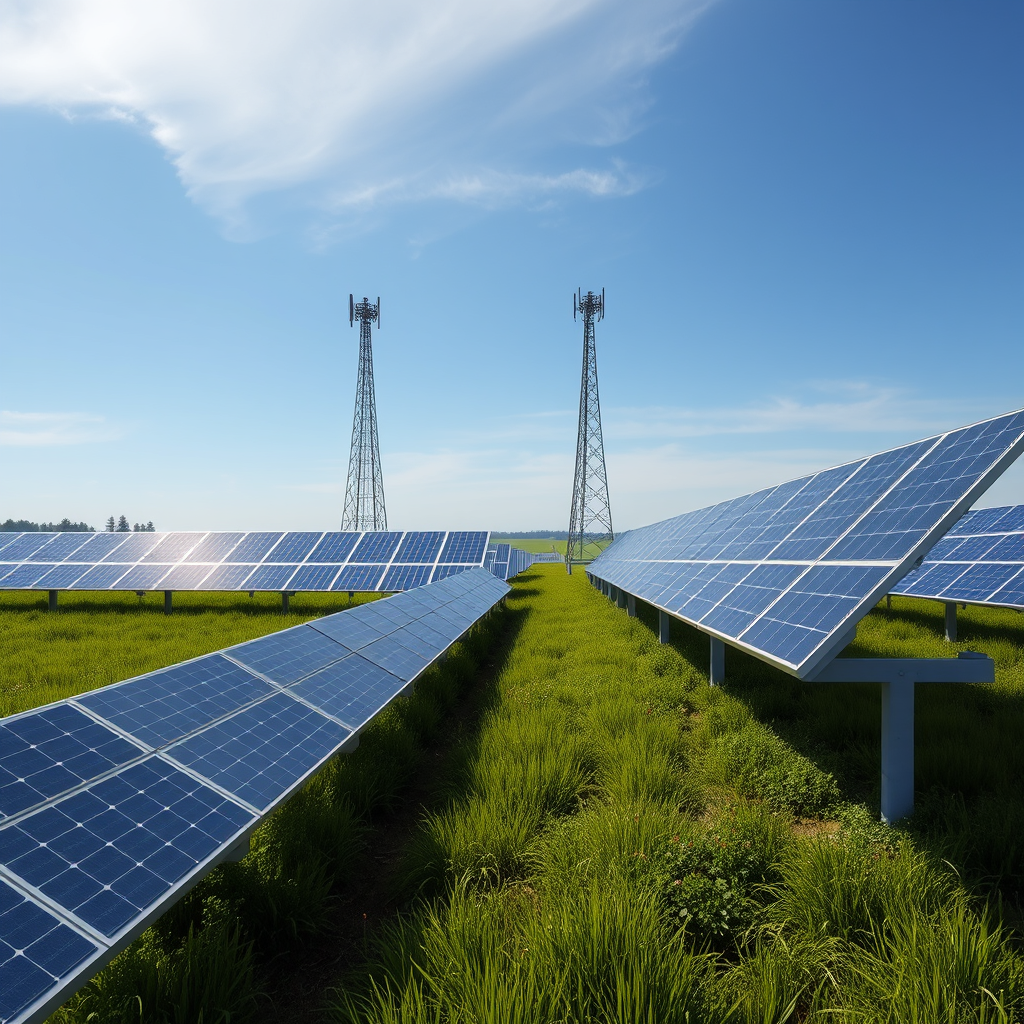
Connectivity solutions for rural and off-grid locations — including solar farm internet infrastructure.
Solar farm internet connectivity is an emerging area where we see significant opportunity. As renewable energy installations expand into rural and semi-rural areas, reliable internet infrastructure for those sites becomes a genuine need — for monitoring systems, operational management, and the people working there. BetterWebServices is positioned to serve that need.
Two Years of Honest Work — The Real Numbers
Here's where most rebuild stories end: the triumphant "we're back and better than ever" moment. The traffic graphs pointing up and to the right. The metrics that prove it was all worth it.
We're not going to do that. Because that's not where we are right now, and we think honesty serves you better than performance.
Two years of continuous work. The timeline is real. The progress is real. The grind is real.
Two years into this rebuild, our Google organic traffic is growing — but slowly. We have 200 weekly search impressions across all four properties. If you've never been through a domain reset with Google, that number might sound alarming. If you have, you know exactly what phase of the process we're in.
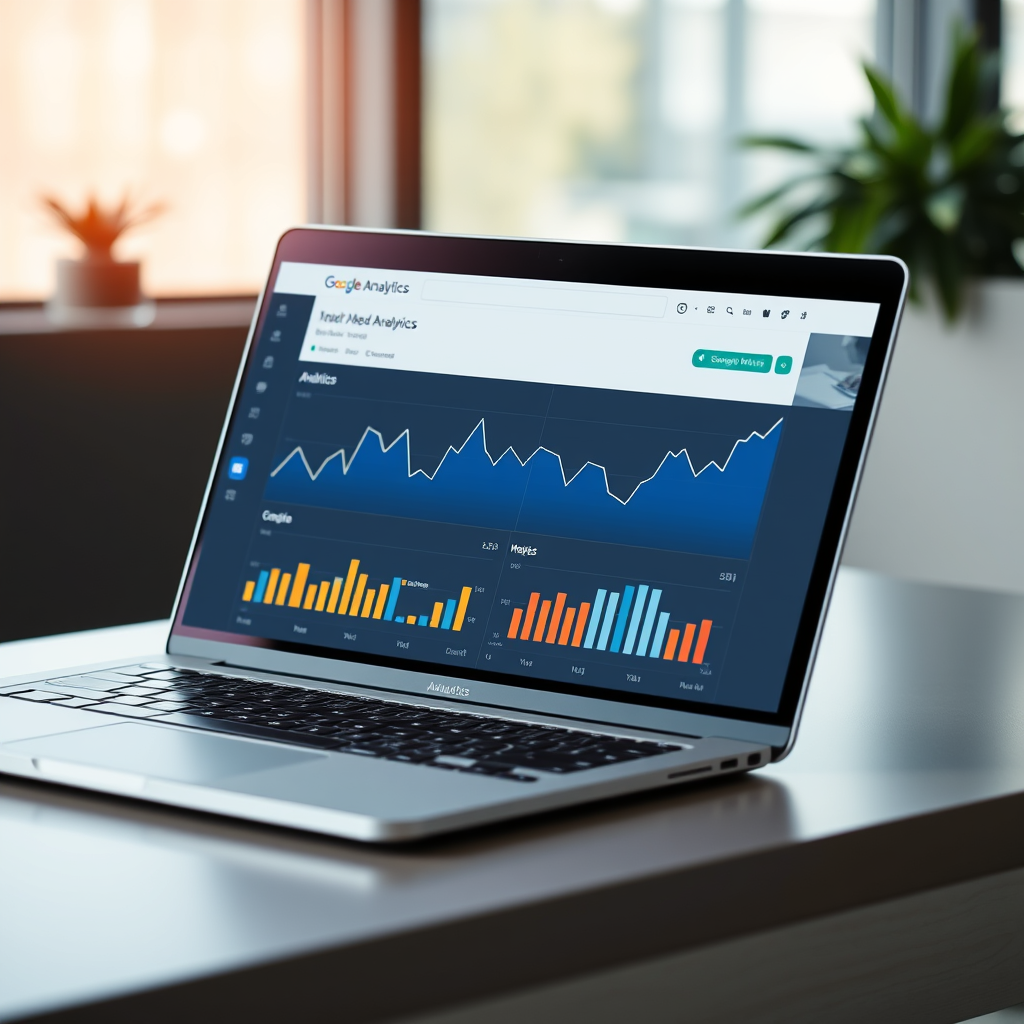
Real numbers. Real progress. Not where we want to be yet — but moving in the right direction.
When you reset a domain — even an old one with history — Google essentially re-evaluates everything. The trust signals that built up over years don't automatically transfer to new content. The algorithm has to re-learn what you are, who you're for, and whether you're worth surfacing. That process takes time. There's no shortcut. There's no hack. There's just consistent, quality work and patience.
What the data actually shows: BetterWebServices.com is appearing for 36 unique search queries — including "fiber optic installation" with 57 impressions this week alone. The content is being found and categorized correctly. The rankings will follow the authority. We're in the trust-building window, not the failure window. There's a difference.
SEO after a domain reset is exactly like this. Slow, steady, organic. You cannot rush the roots.
YouTube, TikTok, and Building Beyond Google
One of the hard lessons of the server failure and the Google reset is that any single point of dependence is a vulnerability. We've diversified.
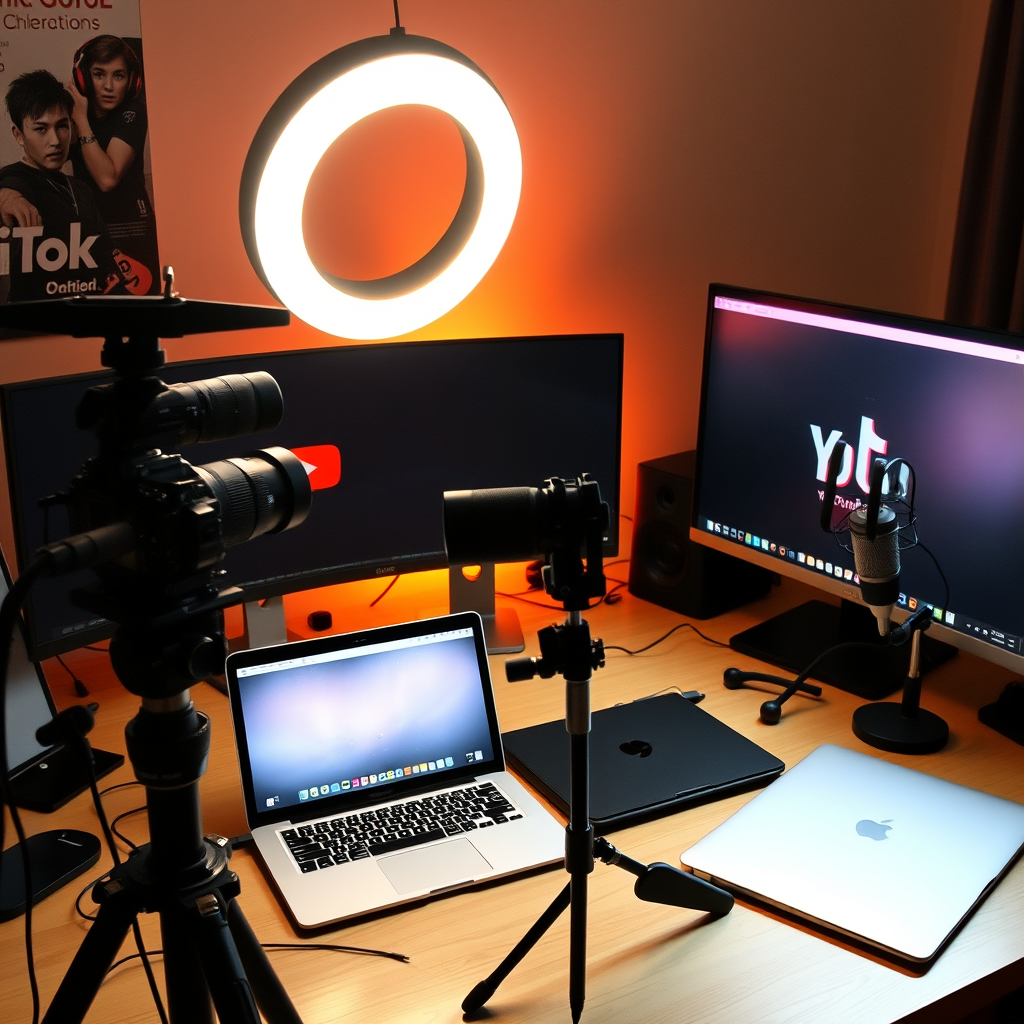
Building a presence that doesn't depend entirely on Google to survive.
Our YouTube channel (solarblu seth) has 106 subscribers and continues to grow. Our TikTok account has 1,900 followers. These aren't vanity metrics to us — they represent an audience we've built directly, one that doesn't require a Google ranking to reach. That's valuable in a way that goes beyond the numbers.
The content strategy across YouTube and TikTok is evolving to support all four of our web properties — driving direct traffic, building brand recognition, and creating the kind of cross-platform presence that strengthens everything else. When someone finds us on TikTok and then visits solarblu.net, that's a traffic signal Google notices. The platforms reinforce each other.
What We've Actually Learned
Back up everything. Redundantly. Off-site.
This is obvious in retrospect and easy to defer in practice. We deferred it. Don't. A daily automated backup to a location that is physically and logically separate from your server is not optional infrastructure — it's the minimum viable safety net for anything you care about.
Build on maintained foundations, not custom everything.
Custom themes are beautiful until they're a liability. Astra plus a well-structured plugin for your custom layer gives you 90% of the control with 10% of the maintenance burden. The remaining 10% of control you give up is almost always control you didn't need.
PHP version compatibility is a real project, not a checkbox.
Plan for it. Budget time for it. And when the migration cost exceeds the value of the legacy code, retire the legacy code. That's not failure — that's engineering judgment.
Google resets are survivable — but they require patience.
The impressions come before the clicks. The clicks come before the rankings. The rankings come before the traffic. You will go through all of these phases in order, and there is no phase you can skip. Do the work, publish consistently, build links where you can, and wait. It works. It just works slowly.
Diversify your traffic sources from day one.
Don't wait until Google disappoints you to build your social presence, your email list, your YouTube channel. Build them in parallel. They will save you during the phases when organic search feels like shouting into a void.
Where We Go From Here
Two years in. Still building. Still here. Just getting started.
We're proud of what's been built. Not in a polished, everything-went-perfectly way — in the real way, where you've been through something hard and come out the other side with something that actually works and something you actually understand down to its foundations.
Four websites rebuilt on a clean, modern, PHP 8.3-compatible stack. A plugin in active development that's growing into something genuinely useful. Hosting services running on infrastructure we trust. Fiber connectivity services addressing a real gap. A content presence across YouTube and TikTok that doesn't depend on Google's good graces to reach an audience.
The hard drive that started all of this still sits on our desk. We kept it — not as a monument to disaster, but as a reminder that sometimes the thing that breaks everything is also the thing that makes you build something better.
The server room is quieter now. The work is not.
If you're going through a similar rebuild — domain reset, server failure, platform migration, or just the slow grind of building web properties that Google hasn't warmed up to yet — we'd genuinely love to hear from you. This story isn't finished, and we don't think yours is either. Reach out through any of our properties. We're building in public, and we're happy to compare notes.